
Harlem Neighborhood Review - Manhattan Moving Guide 2026


Located in Upper Manhattan, Harlem is one of New York City's most historic and culturally influential neighborhoods. Stretching from the Harlem River to the Hudson River, Harlem offers a unique combination of landmark architecture, vibrant dining, excellent public transportation, and relatively affordable housing compared to many areas south of Central Park.
This guide explores Harlem's real estate market, rental prices, restaurants, transportation options, schools, safety, and overall quality of life.
The neighborhood includes Central Harlem, West Harlem, Hamilton Heights, Sugar Hill, and Manhattanville, each offering its own character and housing options. Harlem continues to attract families, professionals, students, and investors drawn to its rich history, growing restaurant scene, and proximity to Columbia University and major employment centers throughout Manhattan.
Real Estate in Harlem
Real estate in Harlem, the iconic New York City neighborhood, is an ever-changing and exciting market.
Spanning from 130th Street to 155th Street and running along the Hudson River to Fifth Avenue on the east side, Harlem offers a variety of housing options for those looking to live in one of NYC's most vibrant communities.
From stunning brownstones and multifamily dwellings to modern condos and single-family homes, there is something for everyone in this culturally rich area.
Along with all these choices comes an incredible range of prices - depending on location and condition - that suit any budget.
When it comes to purchasing or renting a property in Harlem, there are a few things prospective buyers and tenants should know before taking the plunge. First off, availability is limited.
With so much interest from potential investors and newcomers alike, properties in desirable locations can go quickly.
If you find something interesting, act fast, as listings don't often linger long on the market.
In addition to availability issues, pricing varies greatly between locations within Harlem (and even between buildings).
Average Rental Prices in Harlem | |
|---|---|
| Studio | $1,998 |
| 1 Bed | $3,027 |
| 2 Beds | $3,500 |
| 3 Beds | $2,850 |
| 4 Beds | $3,700 |
Average Sales Prices in Harlem | |
|---|---|
| Studio | $2,500,000 |
| 1 Bed | $415,000 |
| 2 Beds | $360,000 |
| 3 Beds | $409,000 |
| 4 Beds | $2,699,000 |
Living in Harlem: What Residents Love Most
Residents are drawn to Harlem for its distinctive brownstone-lined streets, strong sense of community, access to parks, and growing selection of restaurants and cafés. The neighborhood offers easy access to Central Park, Morningside Park, Riverbank State Park, and Riverside Park, making it one of Upper Manhattan's most livable areas.
Harlem is also highly accessible via the 1, 2, 3, A, B, C, D, 4, 5, and 6 subway lines, allowing commuters to reach Midtown Manhattan in approximately 15 to 25 minutes.
With ongoing investment, new residential developments, and a thriving local business community, Harlem continues to evolve while preserving the cultural heritage that makes it one of New York City's most recognizable neighborhoods.
Transportation
Subway lines in neighborhood
- 1 2 3
IRT Broadway–Seventh Avenue Line
- A C
IND Eighth Avenue Line
- B D
IND Sixth Avenue Line
| Bus | M2, M3, M7, M10, M16, M35, M98, M100, M101, M102, M103, M104, M106, M116 |
|---|
Public & Charter Schools
Harlem contains 37 primary and secondary schools. Charter schools are more plentiful here than any other part of NYC and usually outperform other non-charter schools in the neighborhood.
Nonetheless, there is still an ongoing concern that Harlem schools are performing below other schools located in different areas of the city.
Here are some of the top performing schools that stood out:
| School | Info | Notes |
|---|---|---|
| Success Academy Harlem 4 Charter School | Public Charter - K-4 - 633 students | Member of high-performing Success Charter network despite limited space due to sharing the building with two other schools. |
| KIPP STAR Charter Middle School | Charter - 5-8 - 822 students | Advisors follow students through high school and college. Afterschool program is available until 6 pm. |
| Democracy Prep Harlem Charter High School | Charter - 9-12 - 907 students | 14 to 1 student-teacher ratio. According to state test scores, 95% of students are at least proficient in math and 29% in reading. |
Restaurants & Dining in Harlem
Harlem's dining scene has become one of the most exciting in Manhattan, combining legendary institutions with a new generation of chef-driven restaurants, bakeries, and cafés.
For soul food, Sylvia's and Amy Ruth's remain neighborhood icons, serving classic fried chicken, catfish, cornbread, and Southern comfort dishes that continue to attract locals and visitors alike.
Melba's Restaurant is another Harlem favorite, known for chicken and waffles, short rib sliders, and elevated comfort food in a lively atmosphere.
Among Harlem's newest culinary destinations is Copperleaf Bakery a modern bakery and café near Morningside Park and Columbia University. Known for its artisan croissants, seasonal pastries, specialty coffee, brunch offerings, and house-made desserts, Copperleaf has quickly become a popular gathering spot for students, professionals, and neighborhood residents.
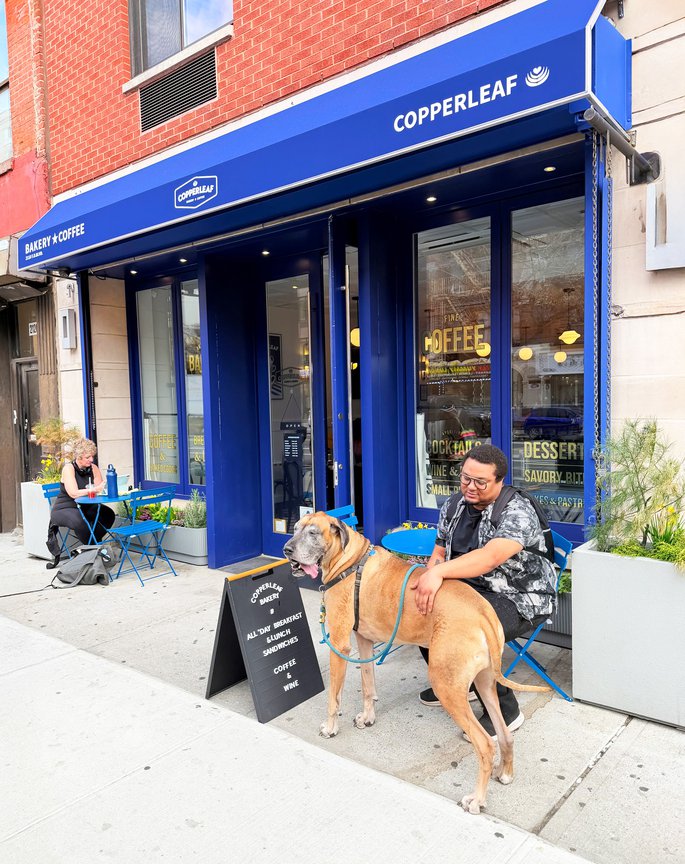
Harlem's international dining scene continues to expand. Musturd has earned attention for contemporary Indian cuisine, while Allende delivers creative California-inspired tacos. Cocina Consuelo offers standout birria, aguachiles, and seasonal Mexican specialties in an intimate setting.
Whether you're searching for historic soul food institutions, destination dining, craft coffee, or some of Manhattan's best pastries, Harlem offers a food scene that rivals many of New York City's most established neighborhoods.
How Safe is the Harlem Neighborhood?
While the Harlem neighborhood has seen a significant revival in recent years, with many high-end businesses and luxury apartments popping up all over the area, there are still questions about how safe it is for locals and tourists.
There is no definite answer regarding safety, as Harlem remains an ever-changing neighborhood that experiences its fair share of crime.
The overall crime rate in Harlem tends to be lower than in other parts of the city, but it still faces issues such as theft, vandalism, burglaries, drugs, and prostitution.
However, many of these instances can be attributed to people outside the neighborhood looking for trouble rather than residents.
Crime statistics
In addition to a higher police presence patrolling the area due to these crime issues, several initiatives have been taken by private and public organizations to improve safety in Harlem.
For instance, several youth organizations have been created to provide kids with positive activities that keep them off the streets while teaching them valuable lessons about respect and responsibility.
Organizations like these help discourage delinquency among young people, which helps reduce instances of criminal activity.
Harlem also takes advantage of technology when it comes to safety by installing surveillance cameras at various locations around the neighborhood and implementing community watch groups to keep an eye out for any suspicious or illegal activity.
Local businesses support community programs that actively seek out potential hazards like abandoned buildings or empty lots that could easily become dangerous areas if left neglected or forgotten.
All in all, while Harlem may not be considered one of New York City’s safest neighborhoods due to its past reputation and current crime rates, much work has been done over the years by both public officials as well as local organizations committed to making sure that everyone who visits or lives within this vibrant community feels secure and protected at all times.